Reveal lines and banding in stucco are recessed joints that break a flat wall into panels. They control where the wall cracks, hide the joints between coats, and give a facade its proportion. MNM Construction Stucco installs them across NYC and Long Island, typically adding $8 to $18 per linear foot.
What a Reveal Actually Is
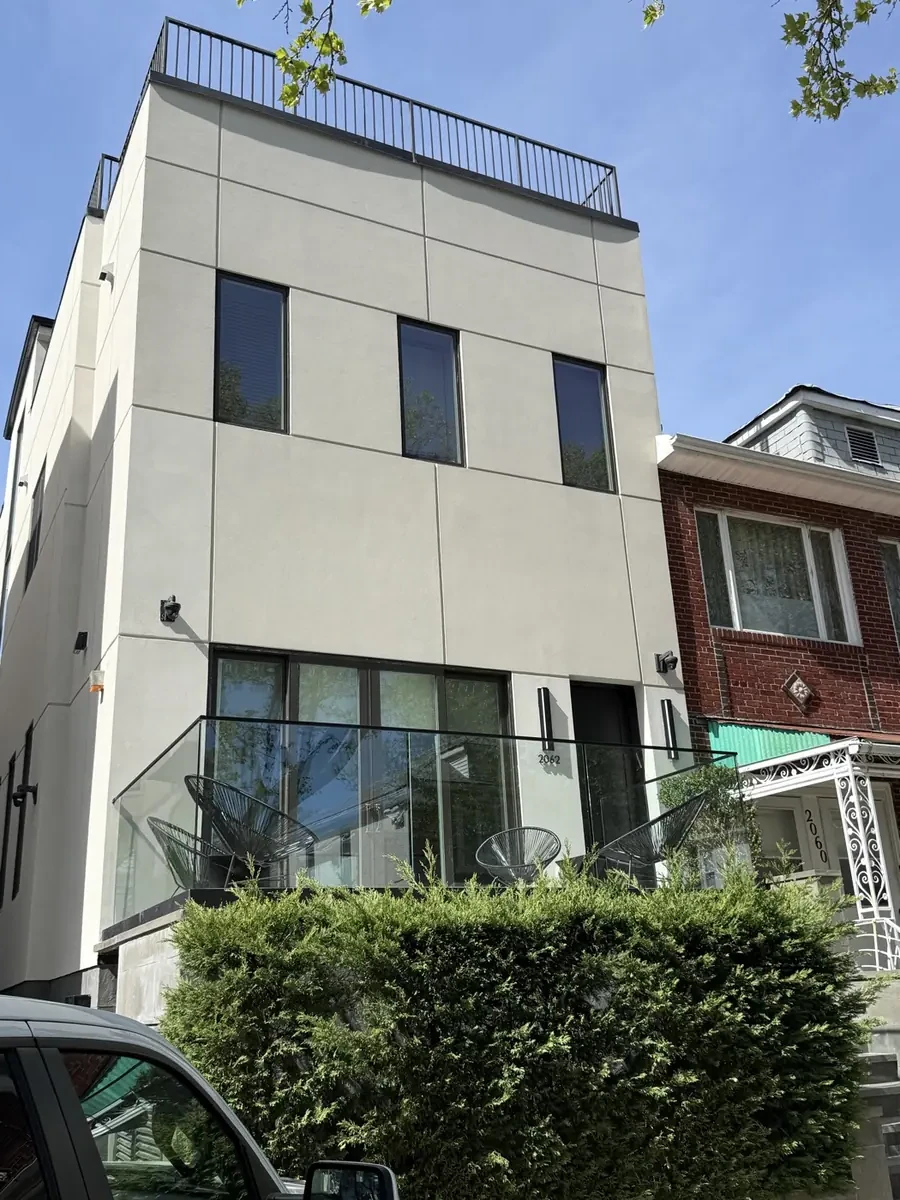
A reveal is a recessed line formed into the stucco while it is being built, using a plastic or metal accessory set before the finish coat goes on. It is not trim stuck to the surface afterwards. That distinction is the whole thing: an applied trim can come off a wall, a formed reveal is part of the wall.
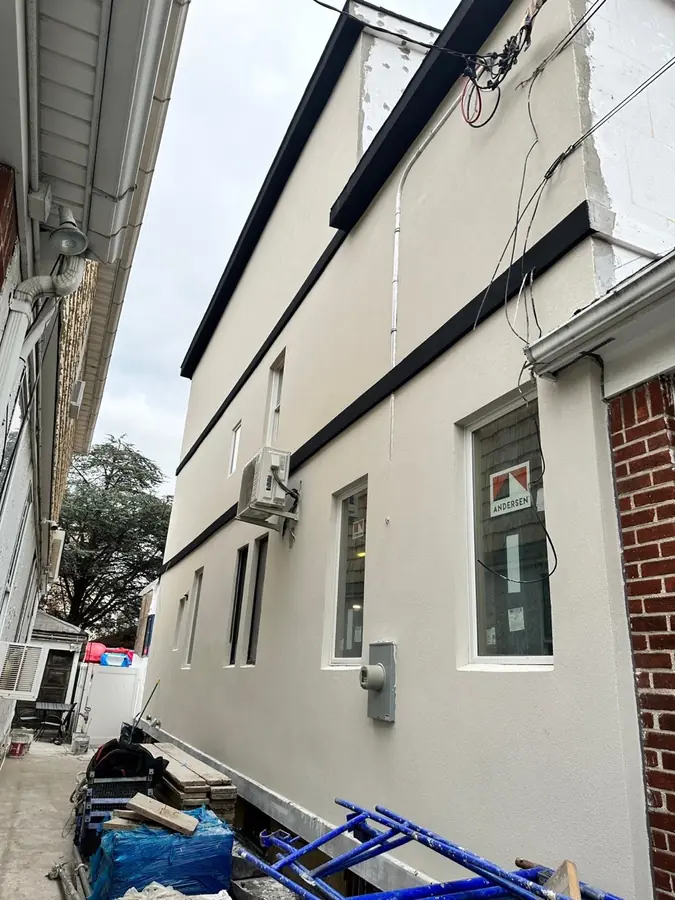
Banding is the same idea in reverse, a raised or colour contrasted horizontal line that reads as a belt course or cornice. On modern Brooklyn construction it is usually built flush and picked out in a darker finish. On older buildings it typically reinstates a detail that the original facade had.
The Part Most People Do Not Know
Reveals are control joints. Stucco shrinks slightly as it cures, then expands and contracts with every temperature swing, and in New York that is a range of well over a hundred degrees across a year. On a large uninterrupted panel that movement has to go somewhere. Without a joint it finds its own path, and that path is a crack running wherever the wall is weakest, usually diagonally off a window corner.
With joints, the movement is absorbed at lines you chose and detailed for. This is why the spacing is not an aesthetic decision alone. The working rule is that no single panel should exceed roughly 144 square feet, and no panel should be much more than two and a half times longer than it is wide. On a typical NYC elevation that means reveals about every 10 to 12 feet.
The walls we are called back to are almost always the ones detailed as a single large blank panel because nobody wanted to interrupt the look. They crack in year two or three, and then the repair is visible forever because a patched crack across a flat field never fully disappears.
Where They Earn Their Money
The Detail That Decides Whether It Leaks
A reveal is a recess cut into a surface whose entire job is shedding water. That means every termination matters: where the line stops, where it turns a corner, where it meets a window, where two reveals intersect. Water running down a wall will enter a reveal and travel along it, and it has to be led back out.
When we are called to staining or efflorescence under a reveal line, the failure is at a termination almost every time, not along the run itself. The accessory was set correctly across the wall and then simply stopped at the end without the end being closed and sealed. It is a ten minute detail that decides whether the feature lasts twenty years or two.
The other common failure is a reveal that was cut into finished stucco rather than formed during application. Cutting breaks through the finish and base coats and exposes the substrate inside the groove. Unless that groove is then properly sealed, it is an open channel into the wall.
What It Costs
| Item | Typical 2026 NYC cost | Notes |
|---|---|---|
| Standard reveal line, formed | $8 to $18 per linear foot | Straight runs. Returns around openings cost more |
| Contrasting banding, formed and finished | $14 to $26 per linear foot | Includes the second colour and the masking |
| Typical Brooklyn elevation, reveals only | $900 to $3,500 | Depends on how many panels the design calls for |
| Adding reveals during a full re stucco | Marginal | The accessories go in as part of the coats anyway |
| Retrofitting into sound existing stucco | Not recommended | Cutting into a finished wall creates a water path |
Designing the Grid
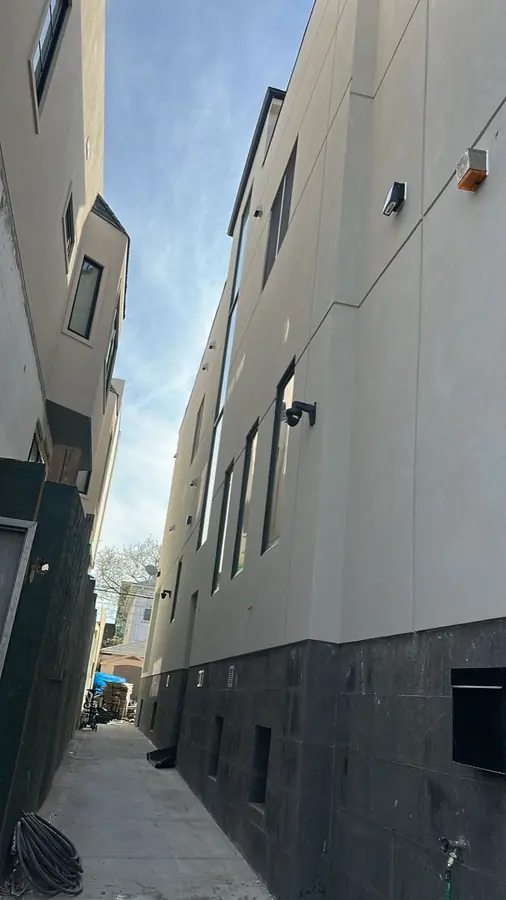
Three things decide where the lines go. The openings come first, because reveals that ignore window heads and sills look accidental and reveals that align with them look intended. The proportion of the panels comes second, and the 144 square foot limit usually settles it. Material transitions come third: wherever stucco meets a base course, a different material, or a structural change, there should be a joint, because those are the lines the building will want to move along anyway.
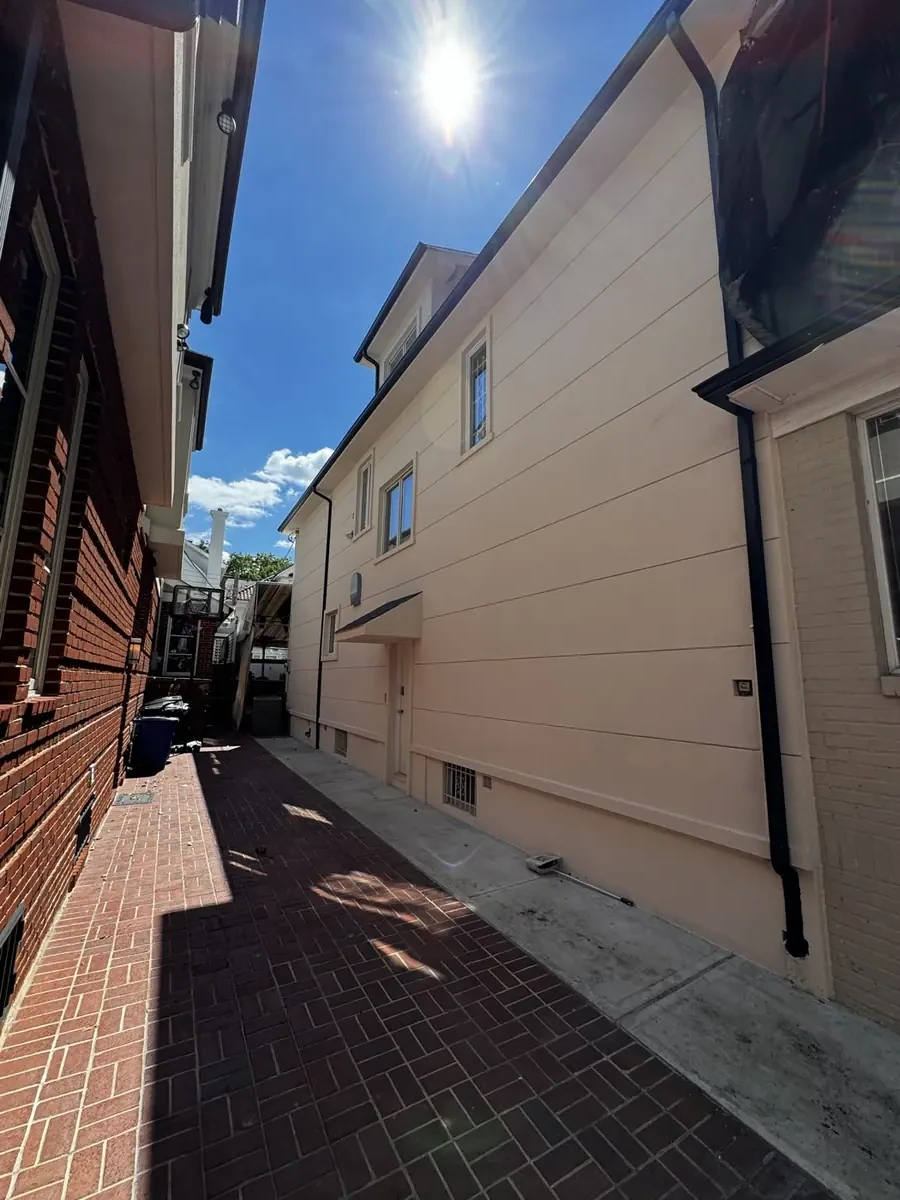
On older buildings we work off photographs. If the original cornice line or belt course is gone, the neighbouring houses on the block usually still have theirs, and matching that proportion is what makes a restored facade read correctly rather than merely clean.
When We Recommend Against Them
On a small rear elevation with a lot of openings, there may not be enough uninterrupted wall to need a joint, and adding lines for their own sake just makes a modest wall look busy. On a landmarked front facade, any change visible from the street needs Landmarks approval, and a reveal grid that was never part of the original building usually will not get it. We will tell you both of those before quoting rather than selling detailing that does not belong on your house.
Related reading: stucco finish and texture types, why stucco cracks, and our architectural moldings service.
Planning a stucco facade and not sure how it should be broken up? Call (516) 713-9199 or request a free written quote. We will walk the elevation and show you where the joints belong.
Frequently Asked Questions
What is a reveal in stucco?
A reveal is a recessed line formed into the stucco, usually with a plastic or metal accessory set before the finish coat. It breaks a large wall into panels. It is not a surface decoration applied afterwards, it is built into the coats, which is why a properly installed reveal cannot peel off the way an applied trim can.
Do reveals actually do anything, or are they just for looks?
Both, and the functional part matters more. A reveal is a control joint: it tells the wall where to move. Stucco shrinks slightly as it cures and expands and contracts with temperature, and on a large uninterrupted panel that movement has to go somewhere. Without joints it finds its own path and you get a random crack. With them, the movement is absorbed at lines you chose.
How far apart should reveals be?
As a working rule, no single stucco panel should exceed about 144 square feet, and the panel should not be more than about two and a half times longer than it is wide. On a typical NYC elevation that puts reveals roughly every 10 to 12 feet. Large blank walls detailed without joints are the ones we get called back to, usually in the second or third year.
What do reveals and banding add to the cost?
Typically $8 to $18 per linear foot of joint, depending on the profile and whether the line is straight or has returns around openings. On a standard Brooklyn elevation that often lands between $900 and $3,500. It is one of the few places where spending more actually reduces your long term repair bill, because the joints prevent the cracking they are designed to absorb.
Can reveals be added to an existing stucco wall?
Only as part of a refinish, not as a retrofit into sound stucco. Cutting a groove into an existing wall breaks through the finish and base coats and creates an entry point for water unless the joint is properly formed and sealed. If the wall is being recoated or rebuilt anyway, that is the moment to add them and it costs very little extra.
Why is my reveal line cracking or letting water in?
Almost always because the accessory was set but never sealed at its terminations, or because the reveal was cut rather than formed. A reveal is a recess in a water shedding surface, so every end, corner and intersection has to be detailed to carry water out rather than hold it. Where we find staining under a reveal, the failure is at a termination, not along the run.
Does banding work on an older brownstone or only on modern buildings?
Both, but the design differs completely. On modern construction the joints are usually crisp and evenly spaced to emphasise the flatness. On an older building the banding usually reinstates a cornice line, a belt course or a window head detail that existed originally, and the point is to match proportion rather than impose a grid. We work off photographs of the building or its neighbours where the original detail is gone.