Press the wall with your palm and knock on it. Traditional stucco is hard, cold and sounds solid; EIFS sounds hollow and gives very slightly, because there is foam about an inch or more behind a thin coating. MNM Construction Stucco has worked on both across NYC since 2009. Free inspection at (516) 713-9199.
Why They Look the Same
Traditional stucco is a cement based plaster, usually applied in three coats over metal lath to a total thickness of a little under an inch. EIFS, the Exterior Insulation and Finish System, is a sheet of foam insulation board glued or fastened to the wall, covered with a thin base coat with fiberglass mesh in it, and then a finish coat.
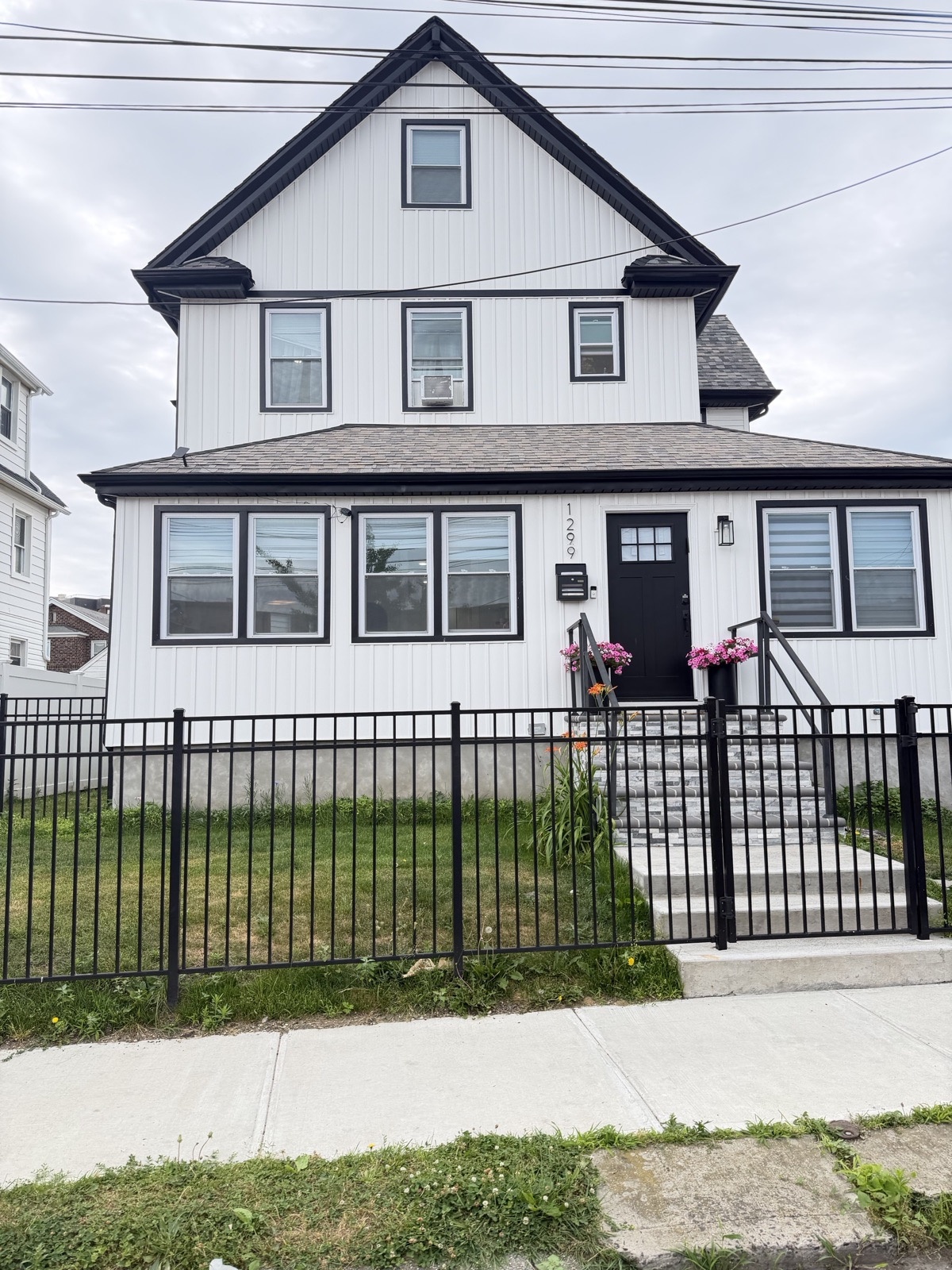
That last coat is where the confusion comes from. The acrylic finishes used on EIFS are also used on top of cement stucco, so the color, the texture and even the sheen can be identical. You cannot tell them apart by looking at a photo, and a lot of real estate listings in Queens and Long Island get it wrong.
Check One: The Tap Test
Knock on the wall with a knuckle in a few places at chest height. Stucco sounds dense and dull, like knocking on a sidewalk. EIFS sounds hollow and a little drummy, because you are knocking on a thin shell over foam.
Then press firmly with the flat of your hand. Stucco does not move at all. EIFS often gives very slightly, and on an older system you may find spots that dent. In cold weather the stucco will also feel noticeably colder to the touch, because it is solid masonry rather than a coating over insulation.
One warning: a hollow sound on a wall you are sure is stucco is not a sign that it is EIFS. It can mean the stucco has delaminated from the lath, which is its own problem and worth a closer look.
Check Two: The Bottom Edge
Look at where the wall finish stops near the ground or above a foundation. Traditional stucco usually ends at a metal weep screed, a thin metal strip with a lip, and the edge is thin and hard.
EIFS ends with the foam wrapped by the mesh and base coat, so the edge is thick, often an inch or more, and rounded or squared off. If the bottom edge has been damaged by a lawnmower, a shovel or a dog, you may see white or gray foam inside. That is the clearest answer you will get.
Check Three: Any Hole in the Wall
Find a place where something goes through the wall: a hose bibb, a dryer vent, an outdoor outlet, a light fixture or an air conditioning sleeve. Look closely at the edge of the cutout. On EIFS you can often see the foam layer behind the coating around the penetration. On stucco you will see solid gray material all the way through.
On many NYC houses the cleanest place to look is the old through wall air conditioner sleeve, because it was cut after the wall was finished and the edge was never fully covered.
Why the Answer Matters
The two systems fail in different ways and need different repairs. A patch of cement stucco mix applied to damaged EIFS does not bond properly to the base coat and will not move with the foam, so it cracks out again, usually within a season. The reverse mistake, treating a stucco crack as if it were a surface coating problem, misses the lath and the water behind it.
Water is also handled differently. Older EIFS installed before the mid 1990s was often a barrier system, meaning the outer coating was supposed to keep all water out and there was no drainage path behind the foam. When water got in at a window or a joint it had nowhere to go. Newer drainage EIFS has a water resistive barrier and a path for water to escape. Knowing which kind you have tells you how worried to be about a stain under a window.
And for buyers, the home inspection report often says only "stucco". If it is actually EIFS of that older barrier generation, a moisture survey around the windows is money well spent before closing.
When to Call Someone
If the three checks give you a clear answer and the wall looks sound, you do not need us. If the answer is EIFS and you see staining below window corners, cracks at the corners of openings, soft spots or a damaged bottom edge, it is worth an inspection before winter, because water in foam does not dry out on its own.
MNM Construction Stucco repairs and installs both systems across Brooklyn, Queens, Manhattan, the Bronx, Nassau and Suffolk. The inspection and written estimate are free. Call (516) 713-9199 or (917) 570-7311, or see our EIFS repair and installation page.